Tag: Exclusive Rewards

Solitaire Games with Timeless Appeal
For generations, solitaire has captivated players around the world, proving that a single deck of cards can offer infinite possibilities for relaxation and mental stimulation. Originating centuries ago as a quiet pastime, it quickly evolved from physical parlor tables into one of the most widely played digital games in history. Today, the enduring appeal of this classic card game continues to attract millions of enthusiasts seeking a perfect escape from modern hectic schedules.
The Psychology of Solo Card Play
The global fascination with solitaire stems from its unique ability to provide low-stress cognitive engagement without demanding too much energy. Unlike high-intensity video games that require constant reaction times, solitaire encourages players to move entirely at their own comfortable pace. This slow, methodical approach creates a calming, meditative flow state that naturally reduces daily anxiety and mental clutter.
Furthermore, each fresh layout presents a minor, structured logic puzzle that stimulates problem-solving and critical thinking. Players get to experience a satisfying sense of control as they gradually organize chaotic piles into beautifully ordered sequences. This rewarding dynamic provides a quick neurological reset, making it an excellent activity for structured breaks during a busy workday.
A Dynamic History Across Platforms
Solitaire successfully transitioned from physical tabletop decks to digital screens during the early days of personal computing, cementing its spot in pop culture. Originally included in desktop operating systems to help users learn basic computer mouse movements, the game quickly became a staple of daily digital life. This seamless adaptation allowed players to jump into a quick card session whenever they had a few spare minutes.
In the modern mobile era, developers have introduced creative layouts and special daily challenges to keep the experience feeling remarkably fresh. Gaming enthusiasts can easily explore specialized online platforms like Mansion88 to find a wide variety of card activities and test their strategic skills. These digital platforms combine traditional rules with modern features, ensuring that old and new players alike can enjoy the timeless mechanics.
Developing Winning Strategies
While many casual players assume winning is entirely dependent on a lucky deal, experienced players know that strategic decisions dictate long-term success. One of the most effective techniques is prioritizing the disclosure of hidden, face-down cards in the largest columns of the tableau. Uncovering these cards quickly expands your playing options and prevents your board from getting locked early on.
Another vital rule is to exercise patience before drawing new cards from the main stockpile. Always thoroughly examine your active tableau for potential moves before bringing fresh cards into play. By maintaining balanced columns and thinking several moves ahead, you can significantly increase your win rate and truly master this classic game.
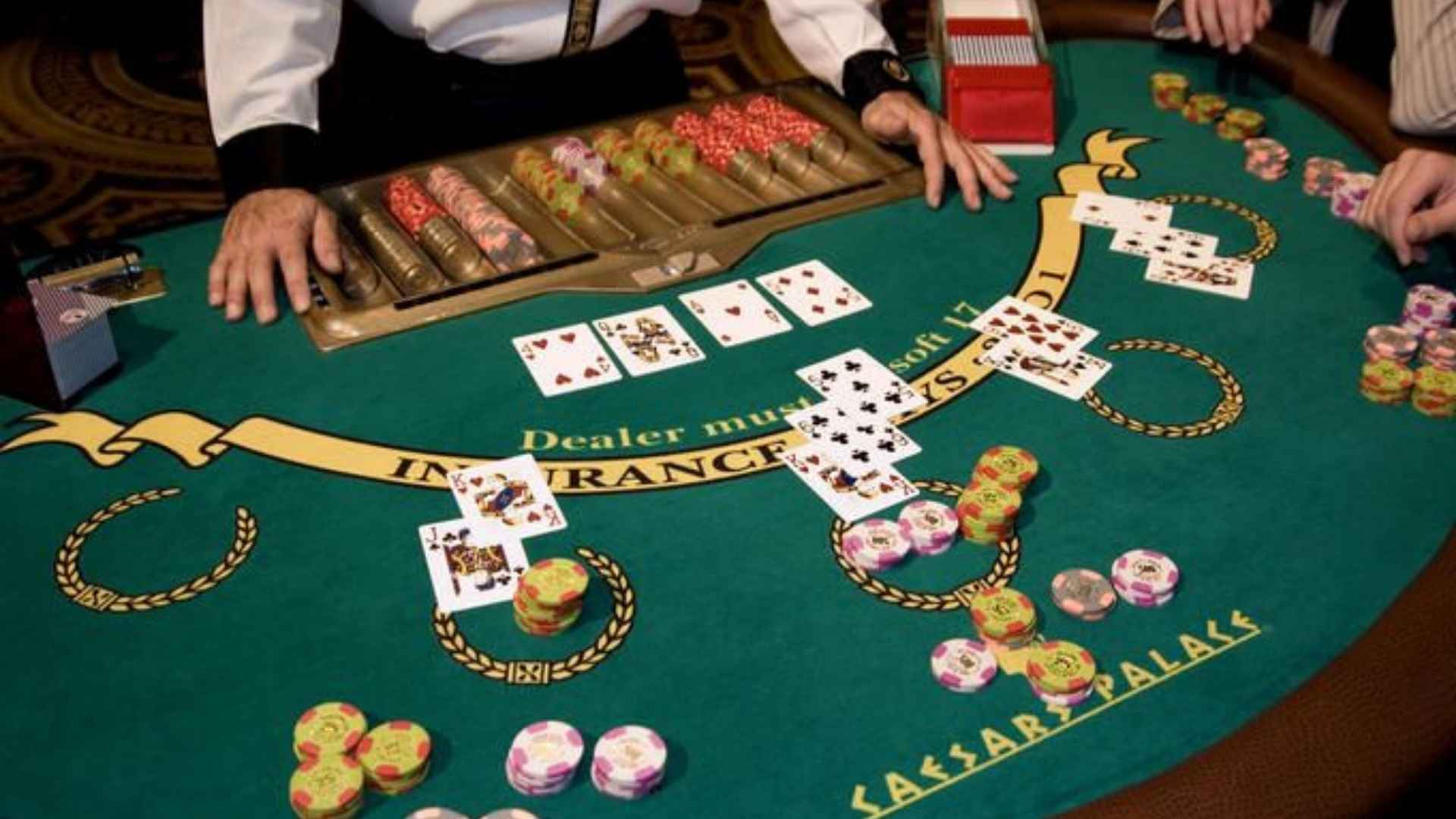
Table Games That Inspire Strategic Play
Tabletop gaming has long served as a premier arena for mental exercise, pushing players to think several moves ahead to achieve victory. Unlike activities that rely purely on luck, certain classic and modern table games require deep analytical thinking, risk assessment, and tactical flexibility. Engaging with these games on a regular basis helps sharpen decision-making skills that are highly valuable in everyday life.
The Psychology of Deep Strategic Planning
At the heart of any strategy-based table game lies the challenge of anticipating an opponent's moves while managing your own resources. Players must constantly analyze the state of the board and calculate the probabilities of various outcomes before making a move. This mental training fosters patience and helps individuals look past immediate gratification in favor of long-term success.
Furthermore, navigating complex rules and unpredictable opponents teaches gamers how to adapt when their initial plans fall through. This dynamic problem-solving process builds cognitive resilience and enhances critical thinking capacities. Over time, players learn to embrace calculated risks rather than relying on pure guesswork.
Classic Card Battles and Calculated Risk
Card-based table games offer an excellent environment for practicing mathematical deduction and psychological analysis. Players must keep track of known variables while making assumptions about hidden information held by their competitors. This balance of known and unknown factors replicates real-world scenarios where decisions must be made with incomplete data.
For those interested in testing their strategic skills in a premium digital setting, platforms like Mansion88 provide a sophisticated venue to explore classic options. Engaging in these tactical card games helps players refine their understanding of probability and risk management under pressure. Regular practice in this structured environment can significantly improve a player's general analytical mindset.
Modern Board Games and Resource Management
Modern tabletop board games have evolved to place a heavy emphasis on complex economic systems and resource allocation. Instead of simply moving a piece around a track, players must manage currency, build territories, and negotiate with others. These mechanics ensure that every single choice carries a clear opportunity cost that affects the final outcome.
This style of play teaches the importance of efficiency and resource optimization under strict limitations. It forces participants to balance cooperative elements, like trading, with competitive objectives to secure their own victory. Ultimately, these modern designs offer some of the most engaging ways to experience complex strategic planning with friends.
Developing Long-Term Tactical Awareness
Mastering any strategic table game requires transition from simple reactionary play to proactive, long-term planning. Experienced players do not just react to what is happening on the board; they actively shape the environment to guide opponents into predictable patterns. This level of foresight is what separates casual players from true tactical experts.
By regularly engaging in these intellectually stimulating activities, individuals can train their brains to recognize complex patterns more quickly. Whether playing on physical felt or exploring digital rooms, the strategic lessons learned at the table remain universally applicable. Developing these cognitive habits ensures that your mind stays sharp, agile, and ready for any complex challenge.